Sometimes what begins as a special, one-time extracurricular learning experience gathers momentum and evolves into something much bigger. But rarely does such an experience succeed in bringing together makers to both build community and engage with pressing
aims such as promoting regenerative, restorative, and joyful practices and expanding the design canon. It is still more rare for an extracurricular project to go on to become a university course, inviting a broad swath of students to bring their own
backgrounds and approaches to experimentation and problem-solving. But the Decolonized & Decarbonized Dinner Party鈥攖hree days of co-learning workshops and events that for the past two years have convened master鈥檚 students from Parsons鈥� MFA Textile Design,
Industrial Design, and Interior Design programs鈥攈as taken just that path, becoming a course to be offered for
the first time in spring 2024.听
Since the launch of the initiative in 2022, Parsons faculty and students have been collaborating in workshops to decolonize their fields and advance efforts to decarbonize making practices. Each year, the group works on a theme such as food waste or water,
with the ultimate goal of fostering inclusive climate justice. MFA Textiles program director and faculty member Preeti Gopinath describes the focus as 鈥渃ritical, as our students care about environmental and social justice issues. Our role is to nurture
that passion and support them in developing work that is layered with meaning and consequence.鈥�
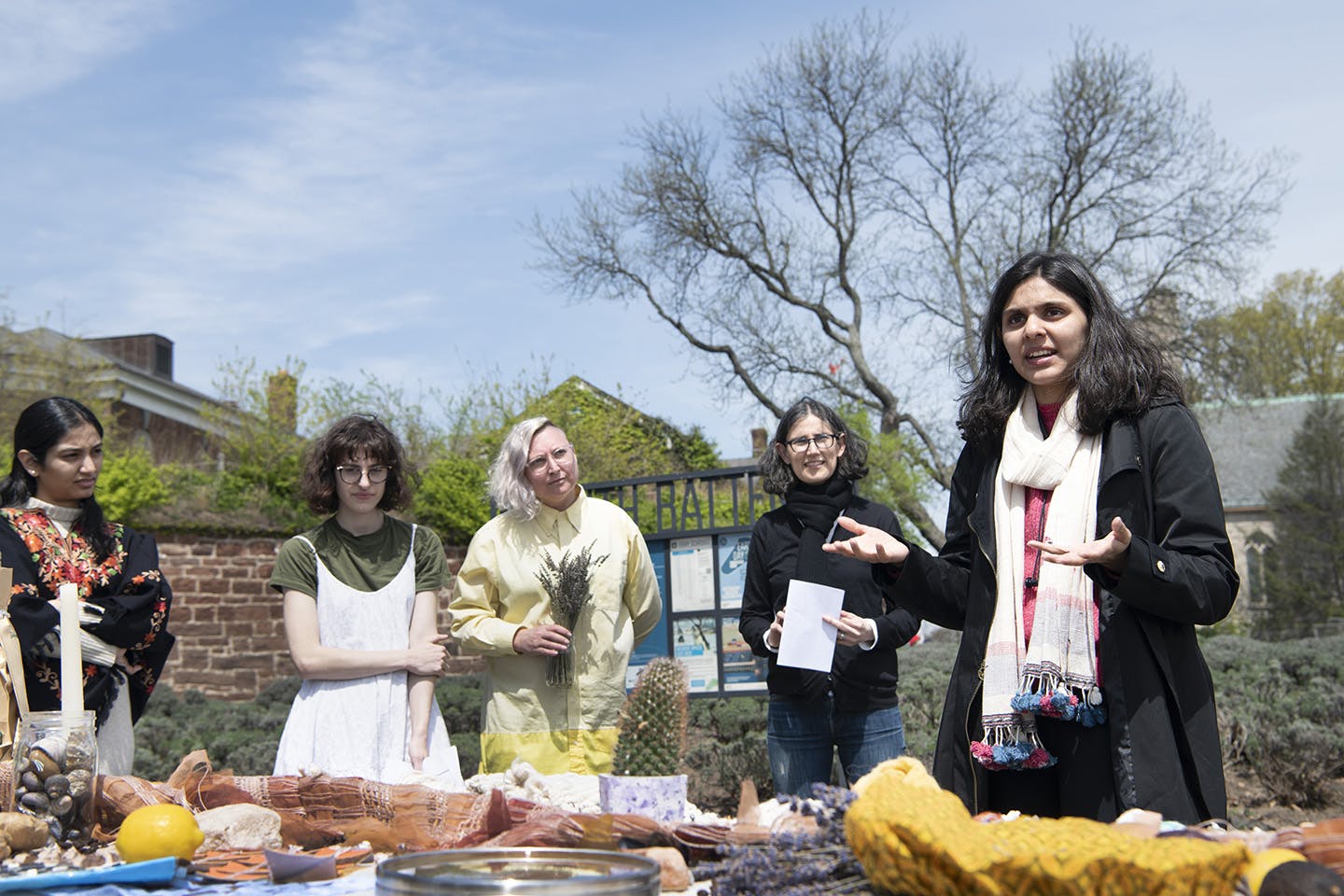 Students shared research and food created for the Dinner Party at Governors Island on Earth Day 2023. From left: Ashima Yadev, MFA Interior Design; Sydney Moss, MFA Interior Design 鈥�23; MFA Interior Design program director Michele Gorman; MFA Industrial
Design program director Yvette Chaparro; and Neha Bhide, MFA Textiles.听
Students shared research and food created for the Dinner Party at Governors Island on Earth Day 2023. From left: Ashima Yadev, MFA Interior Design; Sydney Moss, MFA Interior Design 鈥�23; MFA Interior Design program director Michele Gorman; MFA Industrial
Design program director Yvette Chaparro; and Neha Bhide, MFA Textiles.听The workshops themselves create an environment in which participants are free to show unfinished work for feedback, discuss creative challenges, and meet forward-thinking creatives from industry and others from throughout the university. The event culminates
in an informal dinner party in which networking and socializing take place, engagement is had with NYC communities, questions solved and ones still pending are discussed, and students lead talks over shared meals and ideas. As a recent participant,
Jessica Thies, MFA Industrial Design 鈥�23, explains, 鈥淚t鈥檚 a chance to build community, share research, and gather around food.鈥�
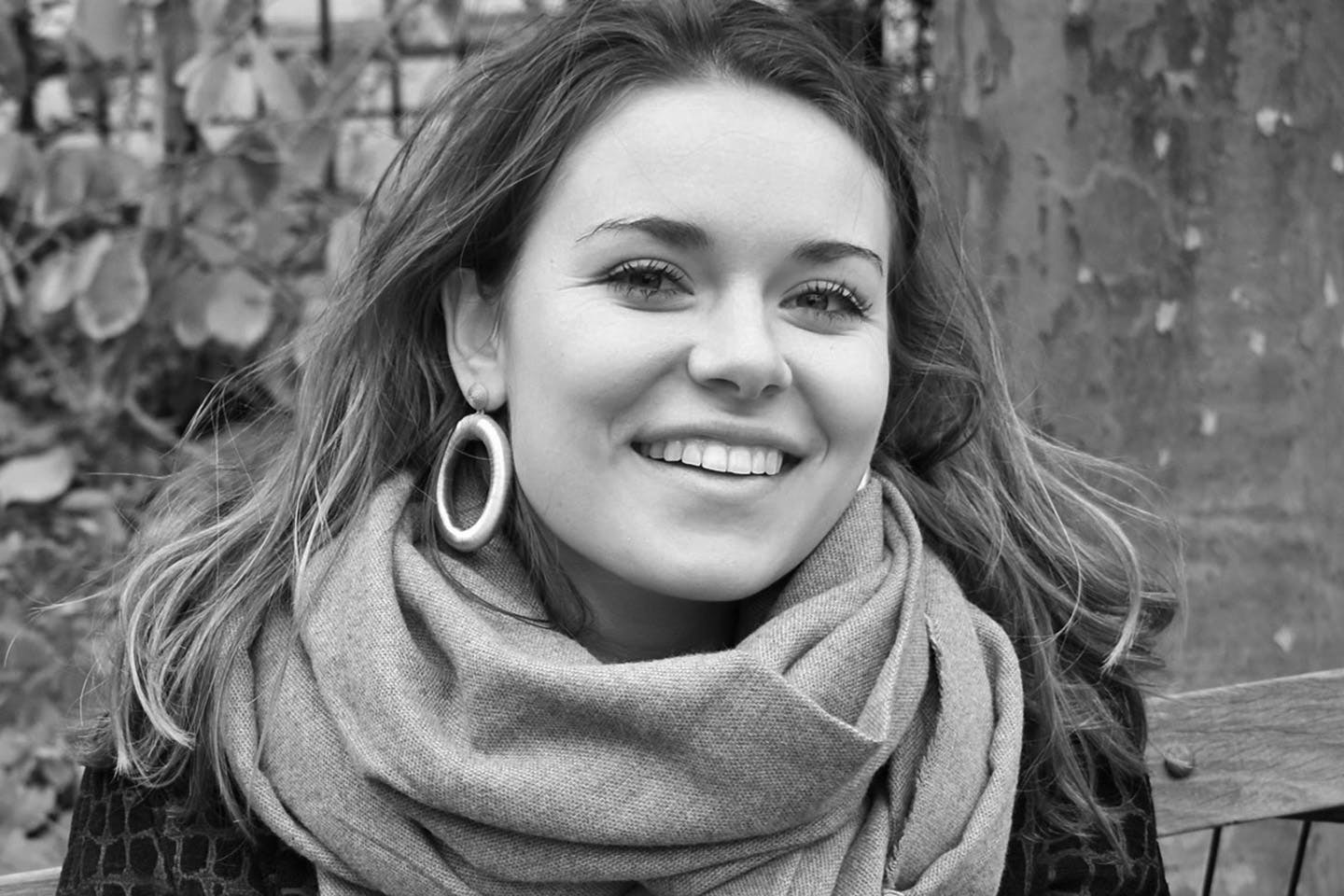 Jessica Thies, MFA Industrial Design 鈥�23.听
Some of the work featured in the workshop began or was developed in classes connected to decarbonization and decentering the design canon, courses like Disaster Preparedness, Interior Food Ecologies, and an MFA Industrial Design studio focusing on local
production. Students often brought research from those courses and for their theses to the workshops, which sparked new ideas for creating the artifacts to be used in a 鈥渃arbon-free鈥� Earth Day dinner party. Among the objects created were plates, cutlery,
and linens鈥攁ll inspired by or embodying circular design strategies. On view or in use at the dinner party, the objects represented an informal research exhibition in the service of a community-building event.
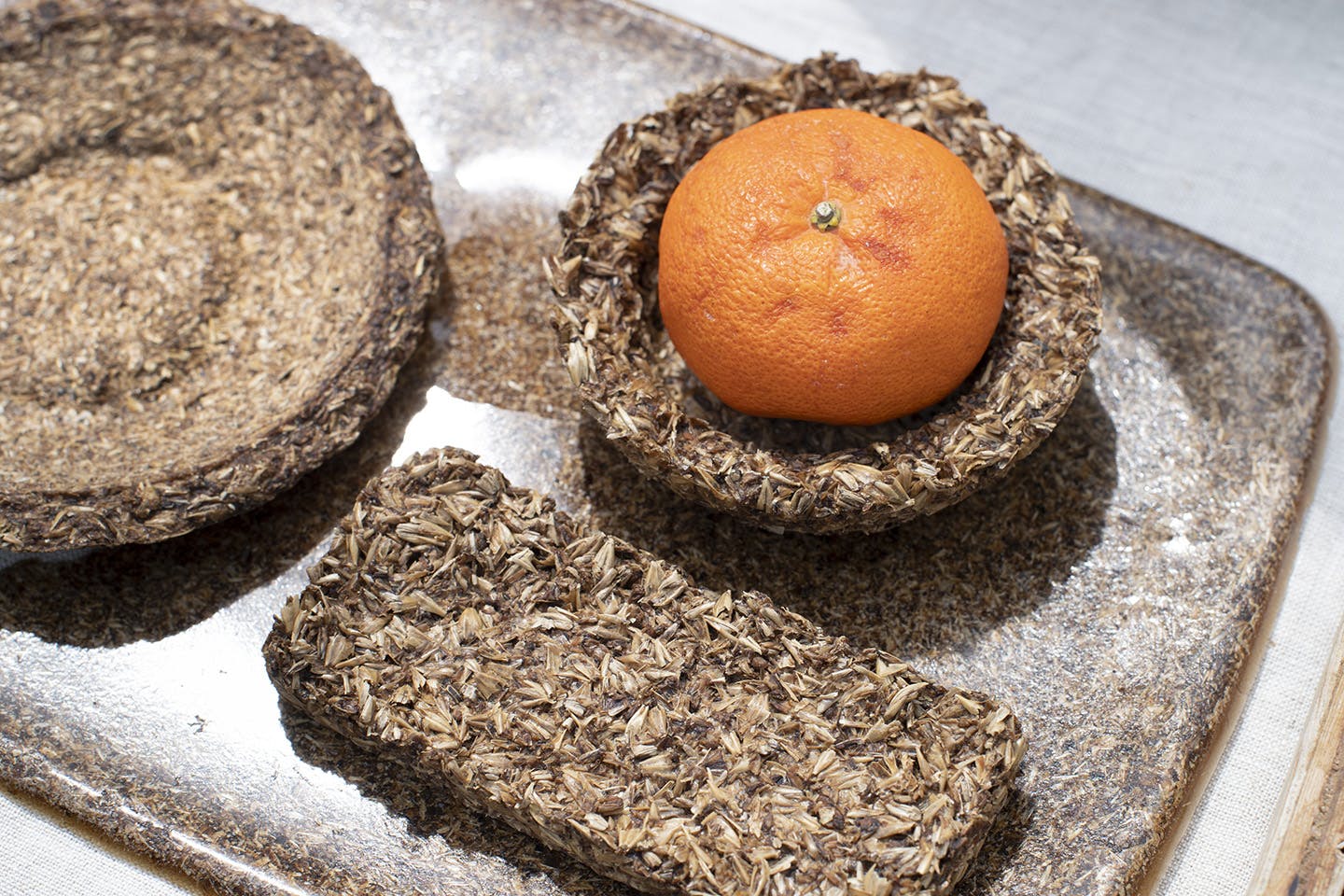 MFA Interior Design student Tatiana Konstantinidi shared work created for her Interior Food Ecologies class at D&D events. Shown here are serving pieces made from brewery waste, agar agar, glycerol, water, and calcium propionate.
听
MFA Interior Design student Tatiana Konstantinidi shared work created for her Interior Food Ecologies class at D&D events. Shown here are serving pieces made from brewery waste, agar agar, glycerol, water, and calcium propionate.
听鈥淔or me,鈥� says Thies, 鈥渢he workshops were really impactful. Learning about other people鈥檚 work was intimate and supportive. And after years of school with masks and being unable to be with people in person and collaborate, it was also the first time I
was in a room eating and sharing鈥攖hat was really special.鈥�
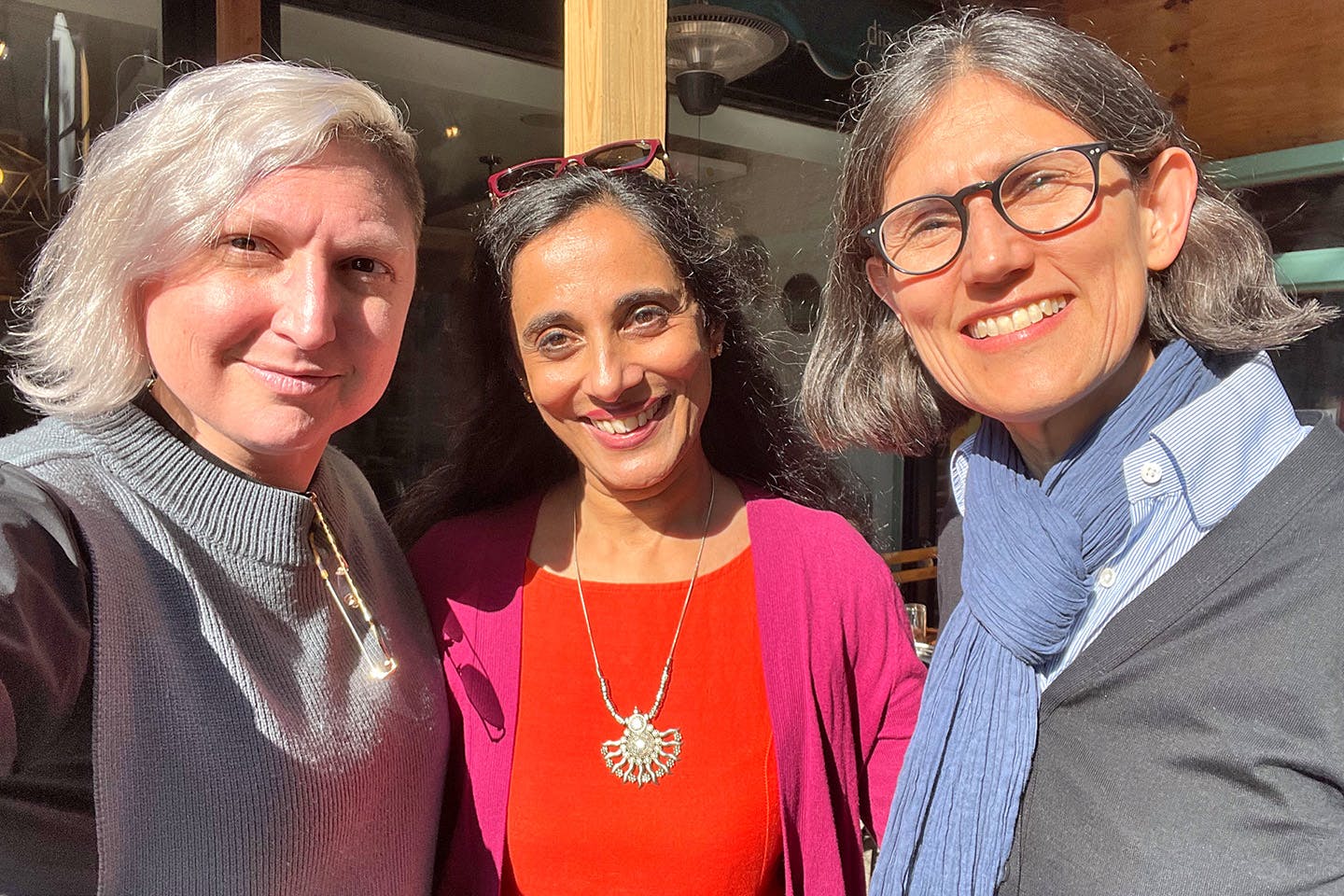 Decolonized & Decarbonized Dinner Party faculty leads Michele Gorman (MFA Interior Design program director), Preeti Gopinath (MFA Textiles program director), and Yvette Chaparro (MFA Industrial Design program director).听
The Decolonized & Decarbonized Dinner Party (D&D) was originally conceived by Michele Gorman, director of the MFA Interior Design program, in collaboration with fellow faculty members and program directors Yvette Chaparro (MFA Industrial Design) and Preeti
Gopinath (MFA Textiles).
鈥淒esigning the dinner party felt like a natural synergy,鈥� Gorman says. 鈥淭he work around decentering the design canon and fostering regenerative practices, with justice as the outcome, has been happening across disciplines at Parsons in different ways,
but it was important for us to find a separate space that wasn鈥檛 within our curriculums or in our classrooms to explore them together.鈥� Gorman explains that 鈥淒&D was radical in that it was intentionally designed as a space of belonging, of knowledge
sharing, of community forming. In this way, it is a novel and radical form of collaboration and receiving feedback on one's work. This space is affirming of the unique and plural voices of our students. Each student brings multiple communities that
they are deeply connected to and local practices that can design us out of the climate crisis. Intentionally making a space where these knowledges can be shared is liberating from the typical constraints of graduate research practices.鈥�
Free from traditional grading and classroom deadlines, the event offered not only a unique mode of learning but also a space for students from different programs and classes who might not otherwise have opportunities to collaborate.
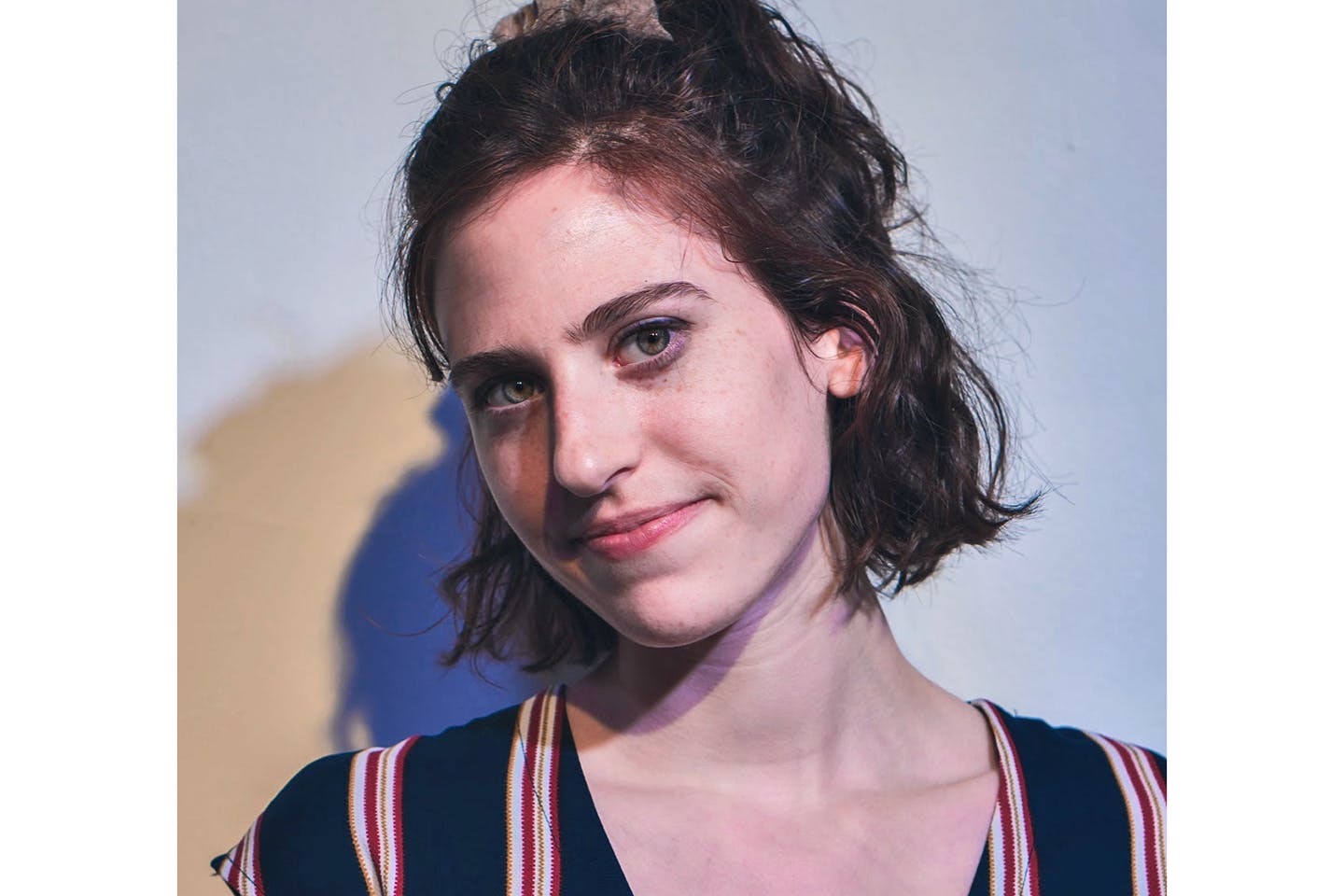 听Sydney Moss, MFA Interior Design 鈥�23.听
鈥淚t was really instructive to see the other programs鈥� concentrations鈥攚hat they were working on and how they related to the same subject,鈥� says Sydney Moss, a graduate student in Parsons鈥� MFA Interior Design program. 鈥淭he dinner party gave us an opportunity
to talk to one another outside of our majors and programs. We all have different studios, so it was good to just be in the room with students from other departments, to ask them what their classes are like and about their work.鈥�
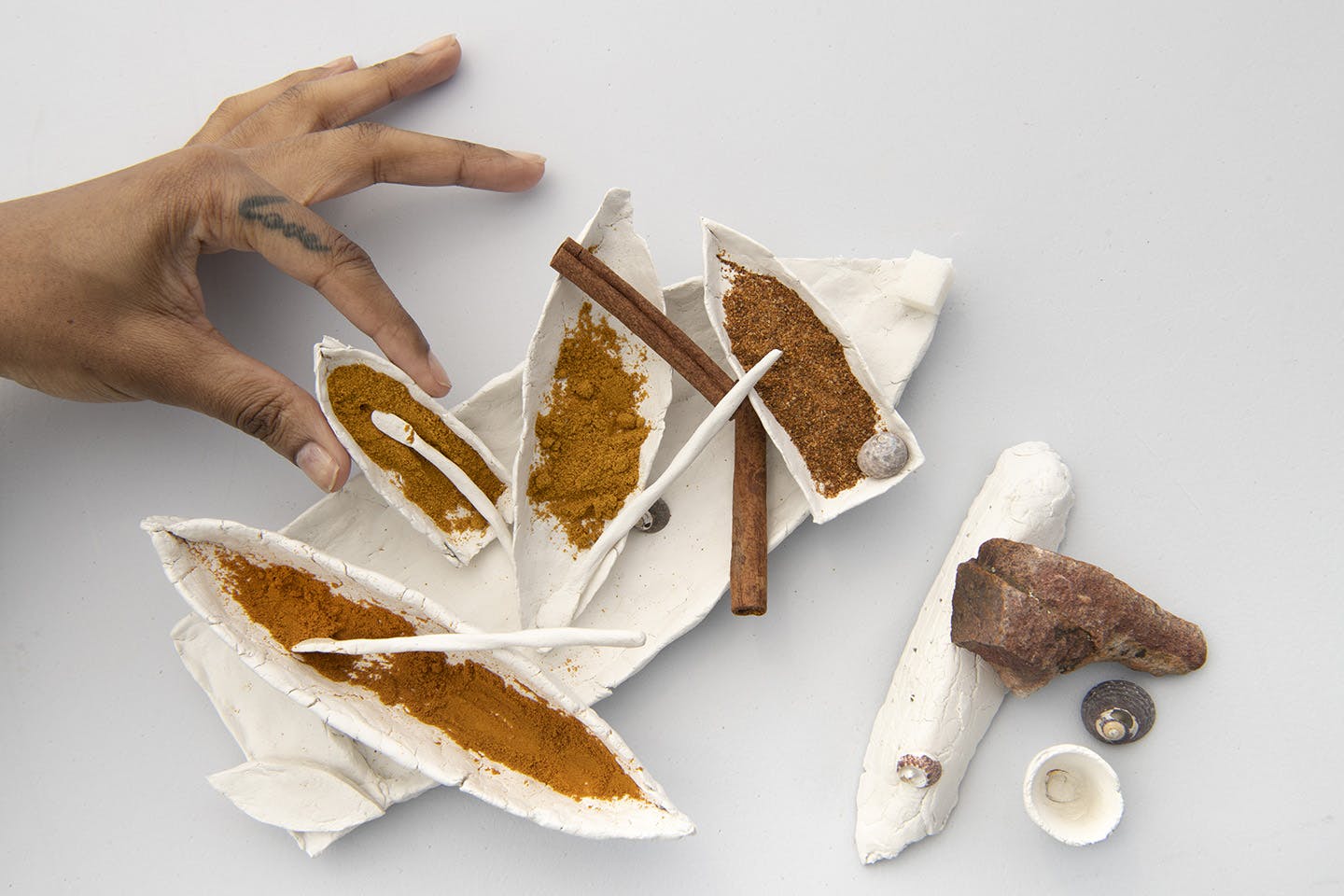 Pieces such as these spice servers鈥擠ichotomies of Water, by MFA Industrial Design student Lethabo Moraka鈥攚ere used at the D&D Dinner Party.听
鈥淚t was really gratifying to see that students embraced that liberty, that freedom to try something different,鈥� Chaparro says. 鈥淪tudents might meet at the Making Center when they鈥檙e working on their own projects, but it鈥檚 rare to find Textiles students
and Industrial Design students and Interior Design students and architecture students working together on ideas and toward important goals.鈥�
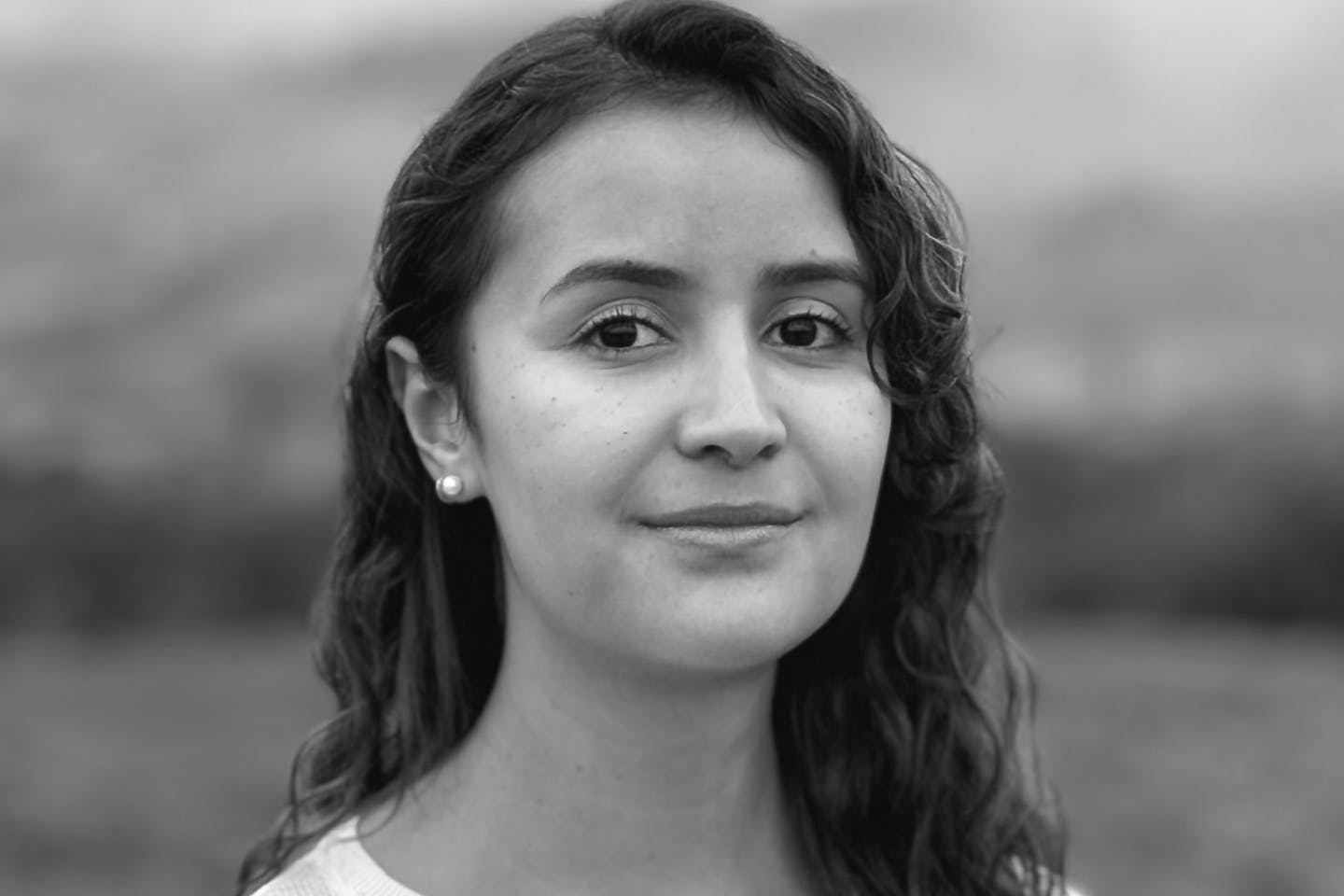 Lina Celis Rengifo, MFA Textiles 鈥�23.
听
Lina Celis Rengifo, MFA Textiles 鈥�23.
听Some students, like Lina Celis Rengifo, MFA Textiles 鈥�23, were inspired to sign up for the event in part because it provides a space free from hierarchy among students and faculty. Celis Rengifo鈥檚 thesis involved creatively repurposing the coffee bags
used to transport coffee exported from Colombia to the United States, and program director Gopinath was both aware of and interested in her potential sustainability solutions.
鈥淚 loved being able to have a blank space,鈥� says Celis Rengifo. 鈥淣ot having set expectations about what I was going to get out of the experience was great. I enjoyed the process of questioning and the option to move between practices. I liked not having
the requirement of choosing.鈥�
Celis Rengifo, who earned an undergraduate degree in architecture, was also inspired by workshop presenters like Uyen Tran, MFA Textiles 鈥�21, whose biomaterial-based textiles start-up T么mTex has blossomed into a successful circular venture. Meeting Tran
and her team at T么mTex鈥攁 business conceived at Parsons鈥攁nd delving into circular practice deepened Celis Rengifo鈥檚 commitment to finding new ways to bolster sustainability in making.
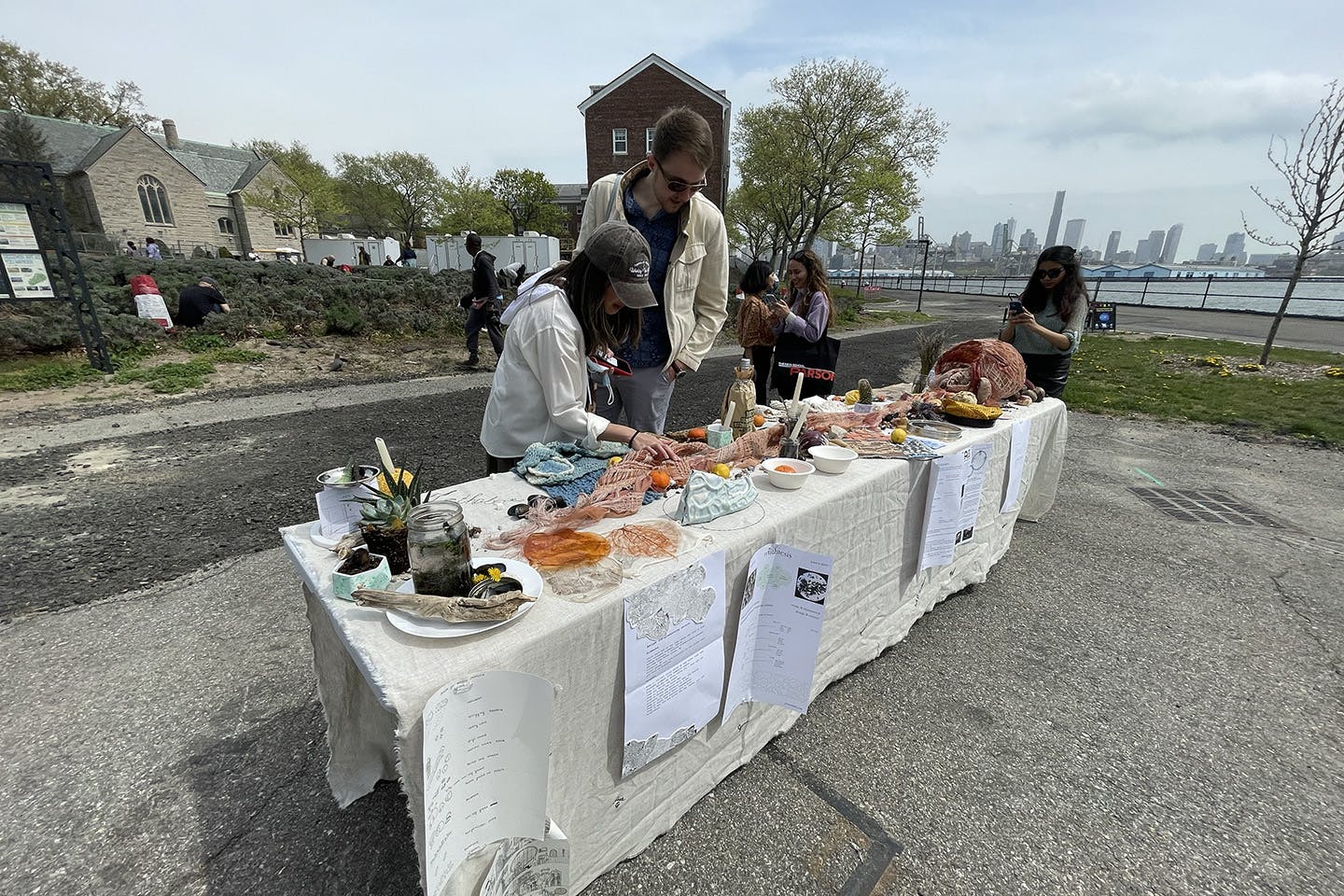 MFA Textiles students Nikita Jain and Julieta Gaitan Rubio oriented visitors to the D&D Dinner Party held on Governors Island on Earth Day 2023. Visitors learned about biomaterials and innovative sustainable making practices. In the background are
lavender fields maintained by the local composting nonprofit Earth Matter.
听
MFA Textiles students Nikita Jain and Julieta Gaitan Rubio oriented visitors to the D&D Dinner Party held on Governors Island on Earth Day 2023. Visitors learned about biomaterials and innovative sustainable making practices. In the background are
lavender fields maintained by the local composting nonprofit Earth Matter.
听Gorman emphasizes that it was also important to create a place to which students could bring themselves and their own cultures and rituals around the topics of decolonization and regenerative practices. The work of MFA Interior Design graduate Sam (Jia
Wei Samantha) Tong 鈥�22 centers on food and its role in placemaking practices for Chinese immigrants in Manhattan鈥檚 Chinatown. She investigates the way food can act as a mechanism to occupy space, create a shared sense of belonging, and adopt decoloniality
strategies. For her, the workshops were perspective shifting.听
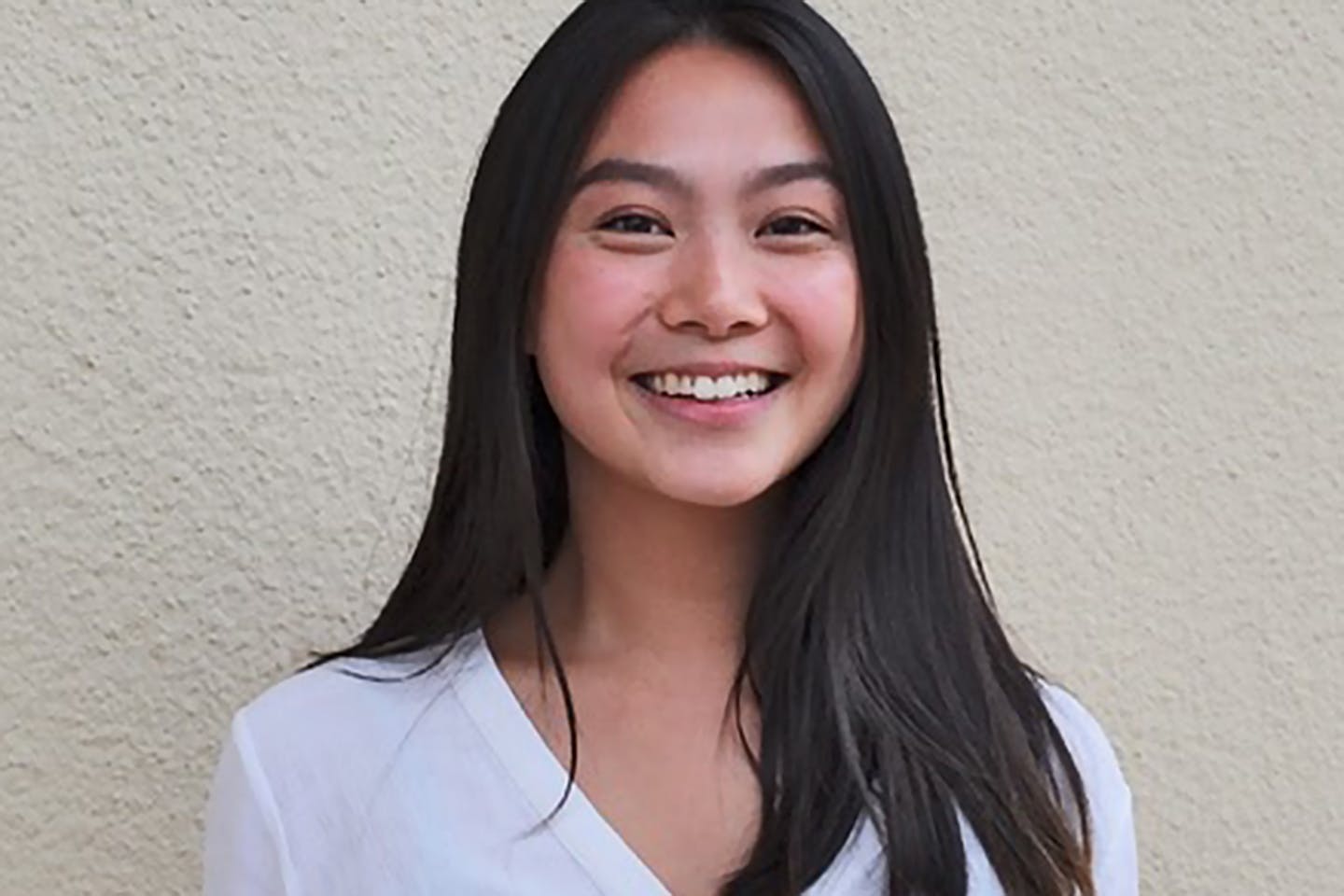 Sam (Jia Wei Samantha) Tong, MFA Interior Design 鈥�22听听
鈥淢y thesis involved looking at food as a tool for preserving immigrant identity, resisting colonialities of power, and encouraging exchanges within a diverse economy,鈥� says Tong. 鈥淭he workshop made me consider the life cycle of food beyond consumption
and explore how food waste can be repurposed or reused to promote decarbonizing practices. I wish I had had access to the information from the workshop before I finished my thesis; the experience inspired me to expand upon my design of a communal
kitchen.鈥�
Thies agrees that participating in the D&D Dinner Party before thesis writing will aid students in researching, organizing, and expanding their ideas.
鈥淪tudents have the opportunity to explore materials and projects without the pressure of it being their thesis,鈥� says Thies, who was encouraged by Chaparro to take part in the initiative. 鈥淲e think about the ingredients in food, but not necessarily about
the ingredients in the materials we鈥檙e creating when building.鈥� She points to her current role as a postgraduate research fellow at Parsons鈥� Healthy Materials Lab, where she was already a research assistant during her MFA studies. HML鈥檚 research on
healthier and affordable materials relates to the goals and work of the D&D initiative. During the workshop, Thies explored food production systems that capture carbon and repurpose food waste and prototyped tabletop pieces such as a candelabrum created
from biomaterials. In effect, her approach encouraged interaction between people and organisms like bacteria鈥攁n echo of the work she and her colleagues were exploring together.
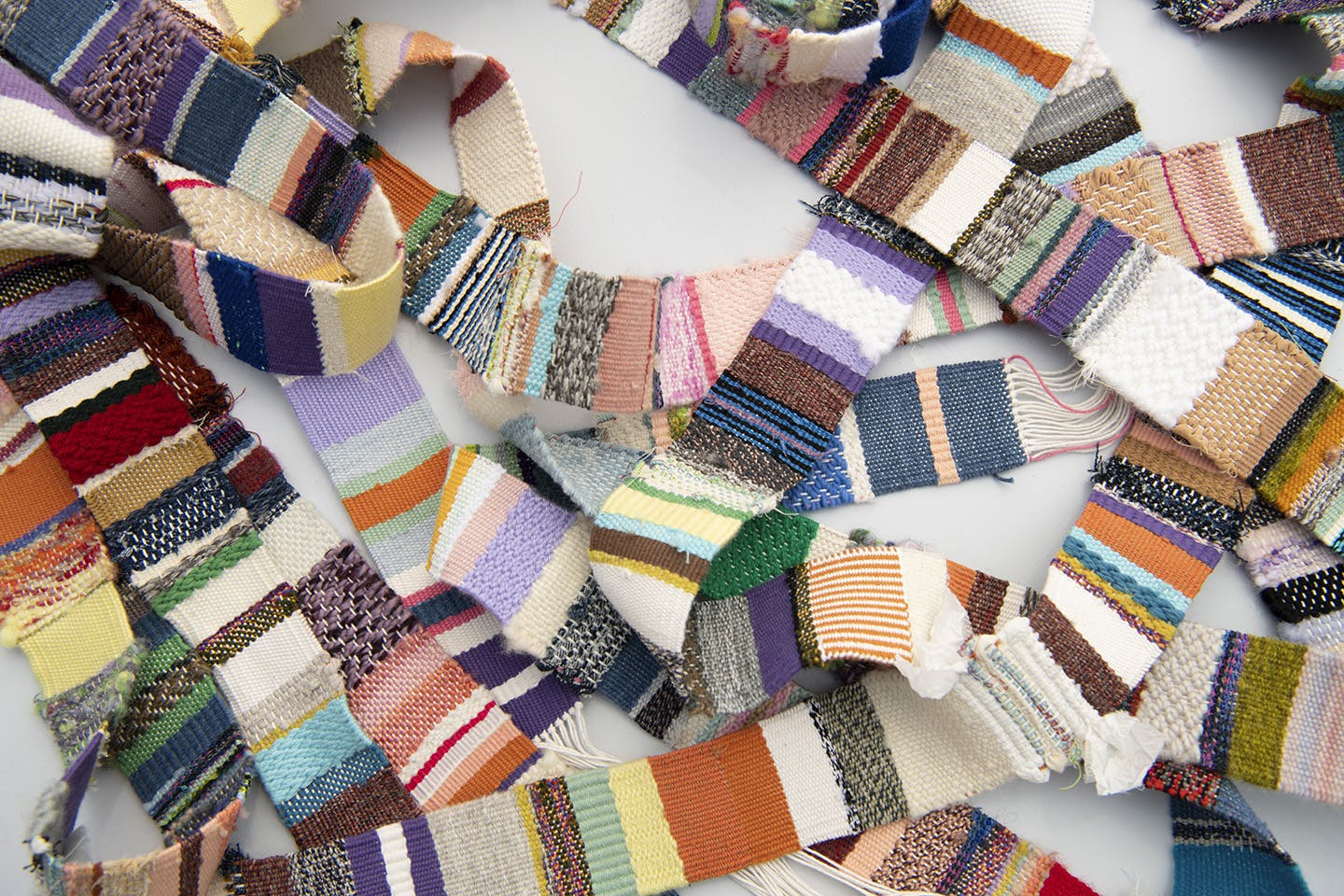 At the Dinner Party event, MFA Textiles student Liyuan Dai wore a belt like these, which he wove on a handloom using repurposed and found waste yarn to conserve water and resources.听听
鈥淚t really opened up room for new research and for us to ask questions that we could bring back into our individual curricula, too,鈥� says Gorman. 鈥淲e have a studio called Interior Food Ecologies that came directly out of Decolonized & Decarbonized Dinner
Party work, and students now want to take knowledge from the space and the collaborations and bring it back into their classes and projects.鈥�
The faculty鈥檚 discovery of the relevance and broad applicability of work emanating from the past two years of D&D Dinner Parties led them to turn the creative research initiative into a special elective course. One section will be offered for undergraduate
credit and another for graduate credit, but, as Gorman explains, they are designing workshops, lectures, and a dinner party to serve as a collaborative space between the two sections, maintaining the spirit of the 2021 and 2022 events.
Gorman
and her fellow instructors are making it a priority to maintain in a classroom setting the openness that was important to past participants. They developed a modified syllabus and a new system in which grades are given at the end of the semester instead
of on an assignment-by-assignment basis, citing Gorman鈥檚 belief that grades 鈥渟houldn鈥檛 drive the work.鈥�
鈥淧arsons is really excited about and has celebrated this move to offer the Decolonized & Decarbonized Dinner Party as a course,鈥� she says. 鈥淲e can begin to include the course as a program elective as well, so grades won鈥檛 be driving the projects and students
will better see the faculty as collaborators in the process, designing as a community.鈥�
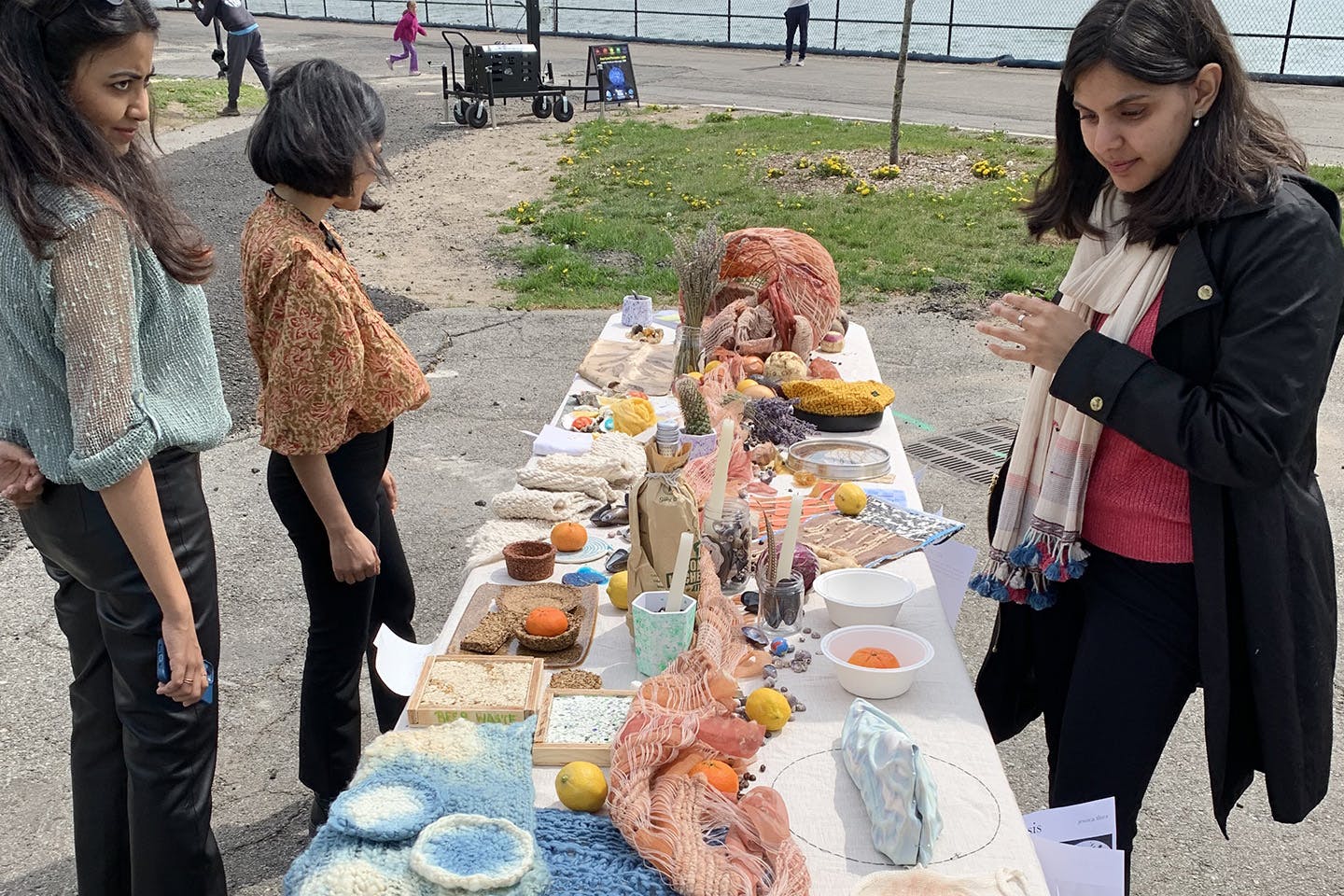 MFA Textiles students Nikita Jain and Neha Bhide discuss dinner table offerings with NYC community members听 on Governors Island on Earth Day 2023.听
Chaparro adds that at The New School鈥攁 university known for engaging with current issues and cutting-edge perspectives and practices鈥攖ransforming an extracurricular research project into a course open to all reflects a mission to amplify interdisciplinary
education. 鈥淲e do that in a way that builds transformative human connections,鈥� she adds. 听
Describing what might be the most important result of the D&D learning experience, Celis Rengifo says, 鈥淲e built a community that, like a tree branch, starts to expand and grow and add new disciplines that make the community stronger, both emotionally
and academically.鈥�