Psychology
This piece was originally featured on .听
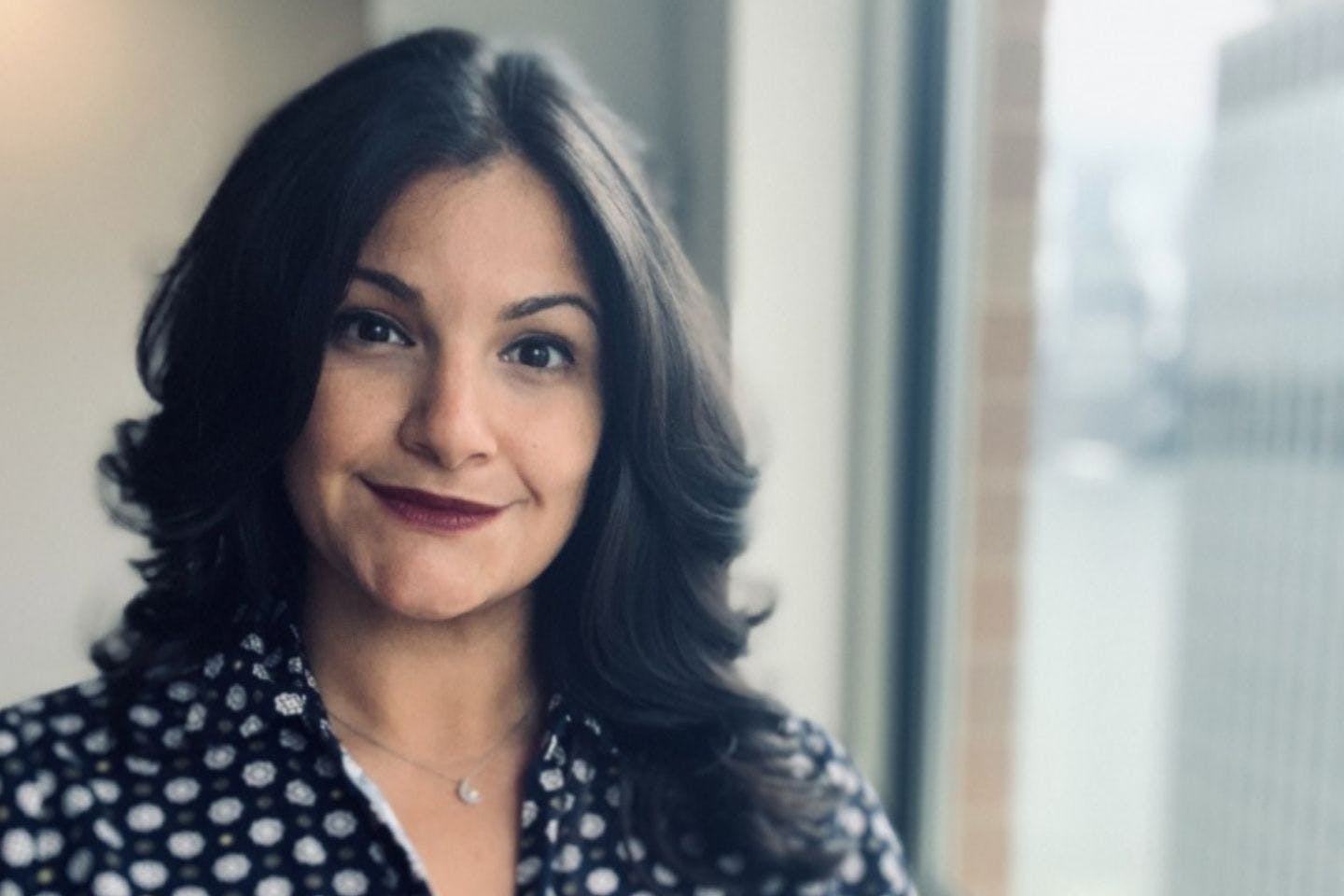
鈥淏y listening as someone puts their story into language, you foster a space where recreating and transforming a narrative becomes possible,鈥澛�Melany Rivera Maldonado, NSSR鈥檚 new Assistant Professor of聽Psychology聽and director of the聽, tells me. Before she was a therapist and a professor, Rivera Maldonado was a journalist, and the transformative power of stories and of narrative space has never been lost on her.
A Procession from Journalism to Psychology
Writing has been a large part of Rivera Maldonado鈥檚 life. It first came in the form of poetry, under the mentorship of Puerto Rican writers Mayra Santos Febres, Mairym Cruz Bernal, and Mayda Col贸n. Later, as a communication student, she researched social issues in journalism. That work taught her how to interview people 鈥� what to ask, and how to approach certain subjects.
After creating profiles for community and non-profit stakeholders for聽Puerto Rico Solidario, a section of聽El Nuevo Dia聽newspaper, Rivera Maldonado got more involved in psychological work and decided to pursue her PhD in clinical psychology at the 好色先生 of Puerto Rico. There, as a first-generation doctoral student, she learned how to ask questions from multiple angles to access pieces of life that people may not know are affecting them. In the therapy room, her background in writing helps her find metaphors, create connections, and foster opportunities for those who often feel unheard to find their voice.
After, Rivera Maldonado moved to New Jersey to complete her internship year at the YCS Institute for Infant and Preschool Mental Health, then worked as an Assistant Professor at Felician 好色先生 teaching both counseling and ethics courses. Since then, she has been involved in direct services, leadership, and advocacy efforts related to immigrant children and youth. As part of her program development experience, she created a program for Latin American immigrant youth to process the transition, stressors, and mourning experiences that come with their journey to the U.S. Another program under her leadership for children of immigrants and their parents fostered a space for connection and understanding between and within the families. Rivera Maldonado鈥檚 focus on migrant communities allows her to provide them a space to find their voices as they navigate a convoluted immigration process and heal at personal and communal levels. Rivera Maldonado calls this focusing on developing participatory interventions that come from the community and go to the community.
Rivera Maldonado also tries to bring the particularly Latin American psychology of liberation to her work. 鈥淧sychology as a practice, inside and outside the therapy room, is political,鈥� she tells me, and requires looking at the interconnection of both social and individual factors. She described how the pandemic has brought to the surface inequalities already present 鈥� medical health services are usually harder to access overall for communities of color and disadvantaged communities, and therapy continues to be unaffordable for many, especially with high out-of-network prices.
Teaching with an Integrated View of Psychology
Now, Rivera Maldonado鈥檚 work has brought her to NSSR, where she tells me that her social justice-oriented sensibilities fit in seamlessly with the school鈥檚 ethos. She and her Psychology faculty colleagues study and teach their students how to transfer their academic knowledge to their one-on-one work with patients. 鈥淵ou have to understand the sociopolitical and historical climate that surrounds the communities we work with鈥� to establish a critical lens for understanding patients, she emphasizes. At the same time, each doctoral student in their first year engages in a clinical experience, for which Rivera Maldonado shared that it鈥檚 important to 鈥渂e able to also support students on the front line and promote their personal development.鈥�
In tandem with her teaching, Rivera Maldonado is the Director of the Safran Center for Psychological Services, which provides tailored foundational training in psychotherapy and psychodiagnostic assessment to NSSR Clinical Psychology PhD students through close supervision of practical application of learned skills. It also offers low-fee psychological services to New School students and the surrounding community, and collaborates with The New School鈥檚 Counseling Center to provide psychological assessments for New School students. With their sliding scale rates, the Center serves people who otherwise wouldn鈥檛 necessarily be able to access therapeutic services. The Center is a training clinic born out of past New School professor Jeremy Safran鈥檚 and other faculty members鈥� interest in pursuing their research while fostering student鈥檚 development as psychologists. It鈥檚 also a place where questions about the purpose of therapy, and whether it鈥檚 meeting its goals, can be addressed in real-time 鈥� a place where the therapeutic process can be monitored through a process of research, reflection, and program evaluation.
As part of her work leading the Center and admitting patients, Rivera Maldonado makes considerations about which communities are underserved, following principles of equity, diversity, and inclusion. Due to the increased need for services in the area, the Center is currently at capacity. Rivera Maldonado says she is looking forward to 鈥渢he possibility of generating projects and identifying funding opportunities that will strengthen the Center鈥檚 infrastructure to continue to expand our services.鈥�