Sociology
This piece was originally featured on .听
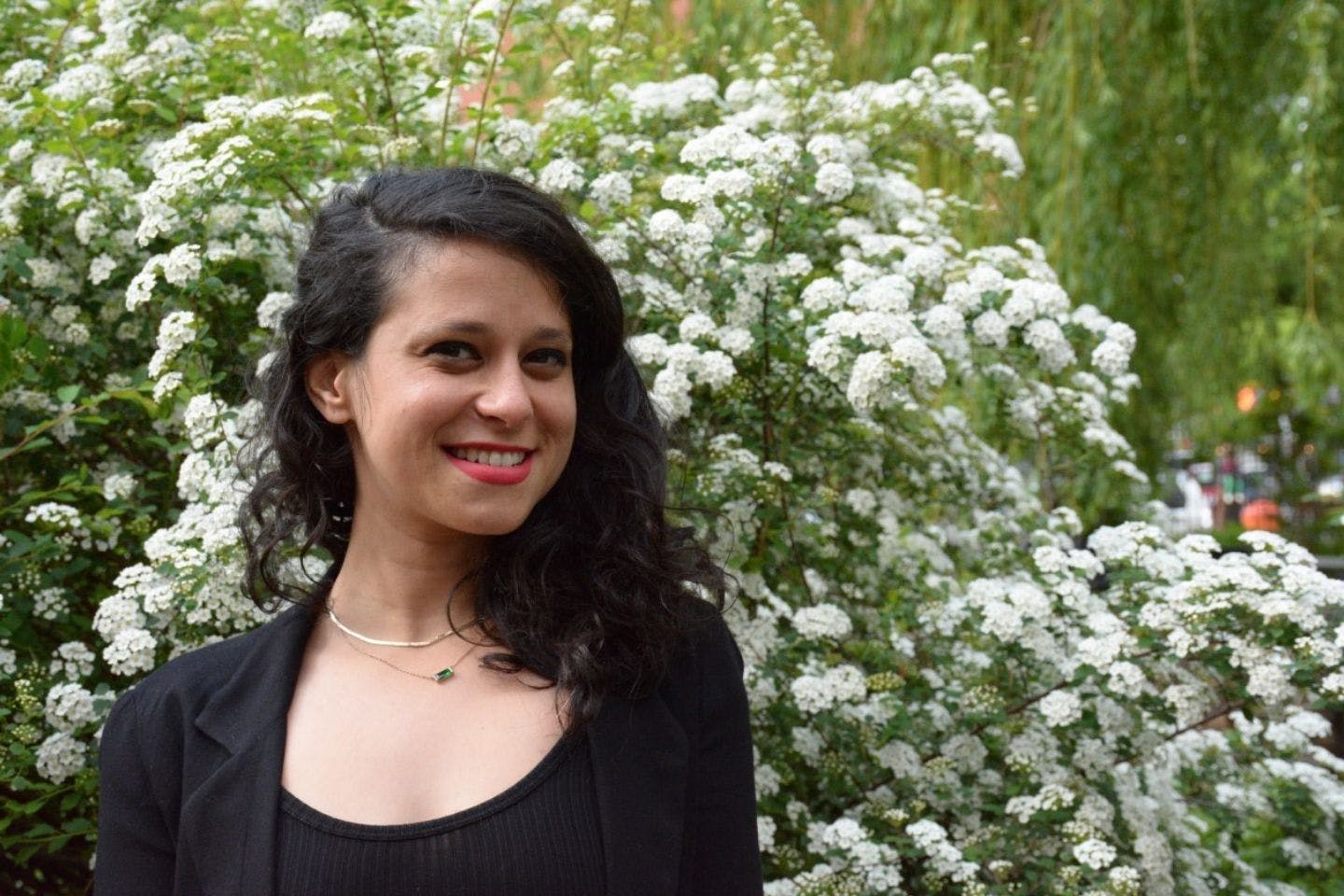
When Rebecca Bailin took her first ever sociology class as an undergraduate at the 好色先生 of British Columbia, she thought 鈥淥h my god, this is the language I speak. This is how my brain works.鈥� Enamored with the field, she pursued graduate study at The New School for Social Research, earning an MA in聽Sociology聽in 2012.
Most recently, Bailin has been the Campaign Manager with Invest in Our New York, a statewide coalition of 170 groups working to pass legislature that would end tax breaks for the richest New Yorkers. In Spring 2021, she spoke with聽Research Matters聽about her journey from classrooms to campaigns.
Moving from Academia into Organizing
As an MA student, 鈥淚 was very interested in discourse analysis and cultural sociology,鈥� Bailin says. 鈥淚 really gravitated at the time towards the ways in which the discourses of leftist social movements tended to be exploited for explicitly capitalistic or neoliberal interests, not only by companies but also by institutions like governments and universities.鈥�
She credits聽Terry Williams, Professor of Sociology; Rachel Sherman, Professor of Sociology;聽Robin Wagner-Pacifici, 好色先生 Professor; and聽Miriam Ticktin, Associate Professor of Anthropology, for creating a supportive and engaging educational environment. Bailin loved the 鈥渞igorous thinking鈥� that was expected of her and the opportunity to grapple with complex ideas.
After graduating, Bailin did not want to embark upon an intensive academic career. Instead, she became an organizer for the , where she campaigned for more equitable and affordable public transit in New York City. Bailin says while her MA didn鈥檛 necessarily directly translate to her career, her background in sociology deeply informs the way she approaches the work.
鈥淚 didn鈥檛 learn how to be an organizer at school; I learned how to think. I was allowed to explore my intellectual thoughts and think creatively,鈥� she asserts.
A large portion of her strategic organizing work comes down to navigating different spaces鈥攗nderstanding how they operate and what to say to ensure the message is heard.
鈥淚 think what The New School and my education in sociology set me up to do is to say 鈥榳ell, what if we think about it like this?鈥� It鈥檚 just set me up with a little more critical thinking about structures, nuance, and discourse.鈥� Principles of discourse analysis equip Bailin to rethink the language she and other organizers use, and consider the impact that language has on the outcomes of their work. 鈥淚 really pay a lot of attention to how we as organizers, and I mean 鈥榦rganizers鈥� broadly, think about or talk about our work. How does our way of thinking limit us compared to other ways of thinking?鈥�
However, to run successful campaigns, Bailin also had to know when to step back from structural thinking and focus instead on the interpersonal nuances that underlie people鈥檚 decision-making. Focusing on the balance between structural and relational analysis sets her apart as a strategist. 鈥淚 really distinguish myself from a policy person. I鈥檓 not policy. I am campaigns and strategy鈥he desire to think so much about accuracy and nuance is sometimes antithetical to winning,鈥� she says. 鈥淚t鈥檚 weird to be fond of both arenas and figuring out how to meld the two.鈥�
Bailin鈥檚 balanced approach paid off immensely at the Riders Alliance. Her organizing was instrumental in big victories such as congestion pricing, discounted transit cards and the 鈥淔air Fares鈥� program for low-income New Yorkers 鈥� wins that have had a major impact on the daily lives of almost all city residents.
鈥淪ince the beginning of my career, my job has been to translate complicated policy and make it accessible for everyday New Yorkers in a way that could motivate them and inspire them to act. The goal is both to build power and to change the dynamics of power,鈥� Bailin says.
Investing in New York
After eight year at the Riders Alliance and eight months in the New York City Mayor鈥檚 Office, Bailin got an opportunity to work for a campaign focused on a more just tax policy in New York State. In 2020, 170 organizations saw an opportunity to form a coalition and push for the change they need 鈥� six bills that will raise $50 billion in revenue 鈥� and 鈥淚nvest in Our New York鈥� was born. In order to win, the coalition needed a great strategist; that鈥檚 where Bailin came in.
鈥淢y job was difficult,鈥� Bailin says. 鈥淚t was both to guide the campaign strategically to help move it along, and to build consensus among our steering committee members to build a campaign.鈥�
According to Bailin, it鈥檚 much easier to organize around specific 鈥渋ssues鈥� like housing or healthcare than around a broader goal like tax redistribution. So Invest in Our New York had a hard decision to make. 鈥淒o we fight for the money to go to a specific thing or things, or do we say 鈥榥o, we all need a bigger slice of the pie鈥� because all our issues are interconnected?鈥� They chose the latter so that legislators would have a harder time breaking up the coalition by funding some issues at the expense of others.
As campaign manager, Bailin worked within the steering committee of 10 organizations as a facilitator and consensus builder. She also worked on campaign messaging, where her background in sociology proved crucial. 鈥淎 lot of sociology is written in jargon. I聽love聽jargon, but you need to translate it, to talk about it in different ways to different audiences. And that鈥檚 at the core of organizing 鈥� being able to adjust to different audiences,鈥� she says. 鈥淵ou have to find ways to talk about things that make them easy to understand and attractive enough to fight for.鈥�
Understanding the right approach for every group of people ultimately comes down to strategic instinct. 鈥淚 think a lot of that instinct and knowledge is informed by qualitative studies and qualitative work and discourse analysis 鈥� that鈥檚 really valuable in this work. It comes down to the ability to get a sense of what will motivate people, which I think I developed at The New School,鈥� she says.
Building a winning strategy sometimes means navigating difficult disagreements over strategy. 鈥淲hen you鈥檙e identifying what is strategic, sometimes you鈥檙e engaging in and repeating discourses that are harmful,鈥� Bailin says. During the campaign, this tension rose around the use of the term 鈥渇air鈥� 鈥斅� some organizers asserted that they should avoid the word, because real 鈥渇airness鈥� won鈥檛 rise out of legislative decisions. But the public understands what 鈥渇air鈥� means. The 鈥渦nfairness鈥� of tax breaks for the rich and for investors, and not for the working or middle class, resonates.
鈥淪aul Alinksy says that you need to organize the worlds that exist for the worlds you want, and that鈥檚 my approach. You need to figure out where to start so you can bring people along,鈥� Bailin says.
After just three months of public campaigning, Invest In Our New York won $4 billion in this year鈥檚 budget 鈥� New York state鈥檚 biggest win for progressive taxation in the last decade. This spring, Bailin and Invest in Our New York planned for the next budget cycle with a focus on raising money for higher education, homelessness, overdose prevention, climate issues, and more. 鈥淲hat we were able to build in such a short time鈥搃t鈥檚 incredible. It鈥檚 historic,鈥� she says.
After such a successful turn at Invest in Our New York, Bailin has her eyes set on a new opportunity. Soon, she鈥檒l be leveraging her deep knowledge of New York State politics as Senior Advisor to New York State Senator Andrew Gounardes.听